
How to Select the Ideal Micro OLED (OLEDoS) Wafer Foundry
Key criteria for selecting high-performance Micro OLED (OLEDoS) wafer partners: 28nm HV CMOS, tandem OLED, nanoimprint MLA and supply chain risk control for 2027 consumer AR glasses.

Key criteria for selecting high-performance Micro OLED (OLEDoS) wafer partners: 28nm HV CMOS, tandem OLED, nanoimprint MLA and supply chain risk control for 2027 consumer AR glasses.
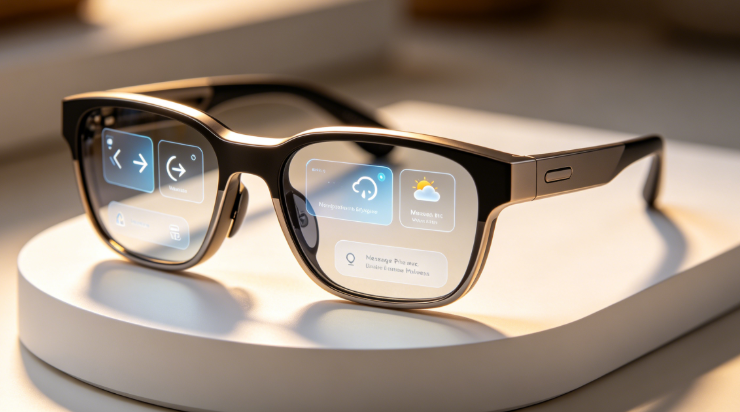
From Meta Ray-Ban to Apple N50: discover how on-device AI, Micro-LED breakthroughs, and waveguide optics are transforming consumer AR glasses into mainstream wearable tech by 2027.
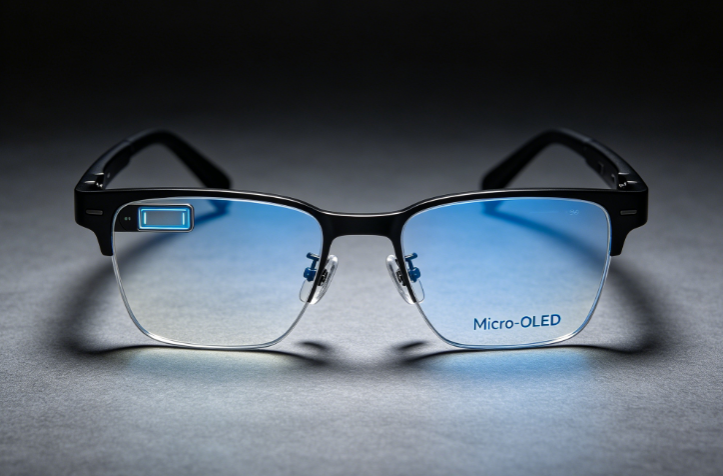
Explore how silicon carbide waveguides, polarization volume gratings (PVG), and quantum dot Micro-LED are solving AR's impossible trilemma and enabling all-day consumer smart glasses by 2027.

The screen door effect has long ruined VR immersion. Explore how modern Micro OLED displays erase visible pixel gaps, boost PPD performance, and deliver sharp, print-like visual quality for next-gen AR/VR devices.
Silicon-based OLED microdisplays suffer severe burn-in and lifespan degradation due to ultra-high PPI and concentrated heat. Learn how manufacturers use Tandem stacks, MLA technology, advanced blue materials, and DDIC compensation algorithms to solve aging issues for XR headsets.
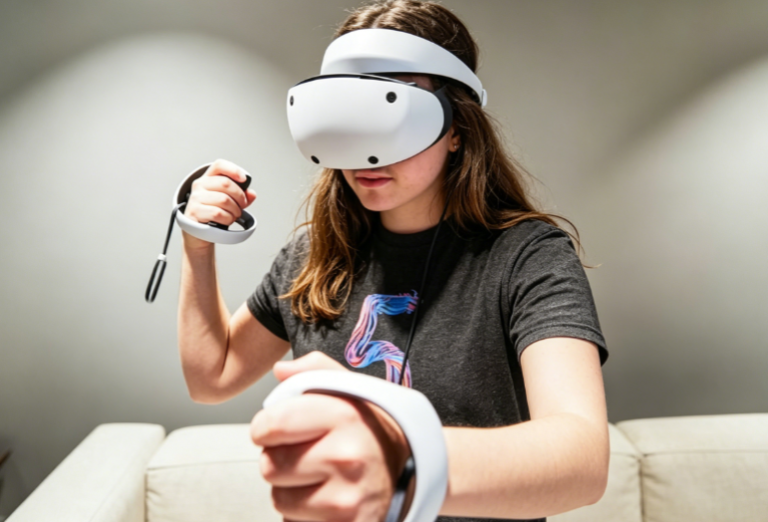
Why can’t higher PPI Micro-OLED hit high brightness? This guide covers leakage crosstalk, color filter energy waste & future microdisplay breakthroughs for next-gen XR.
Since the debut of Apple Vision Pro and the release of ultra-bright AR-HUD systems on cutting-edge concept vehicles,…
What are 4K Micro-OLED glasses? Learn about their core technology, immersive display performance, wearing comfort, myopia adaptation, and top popular VITURE, ROG, and Shiftall XR glass models in 2026.