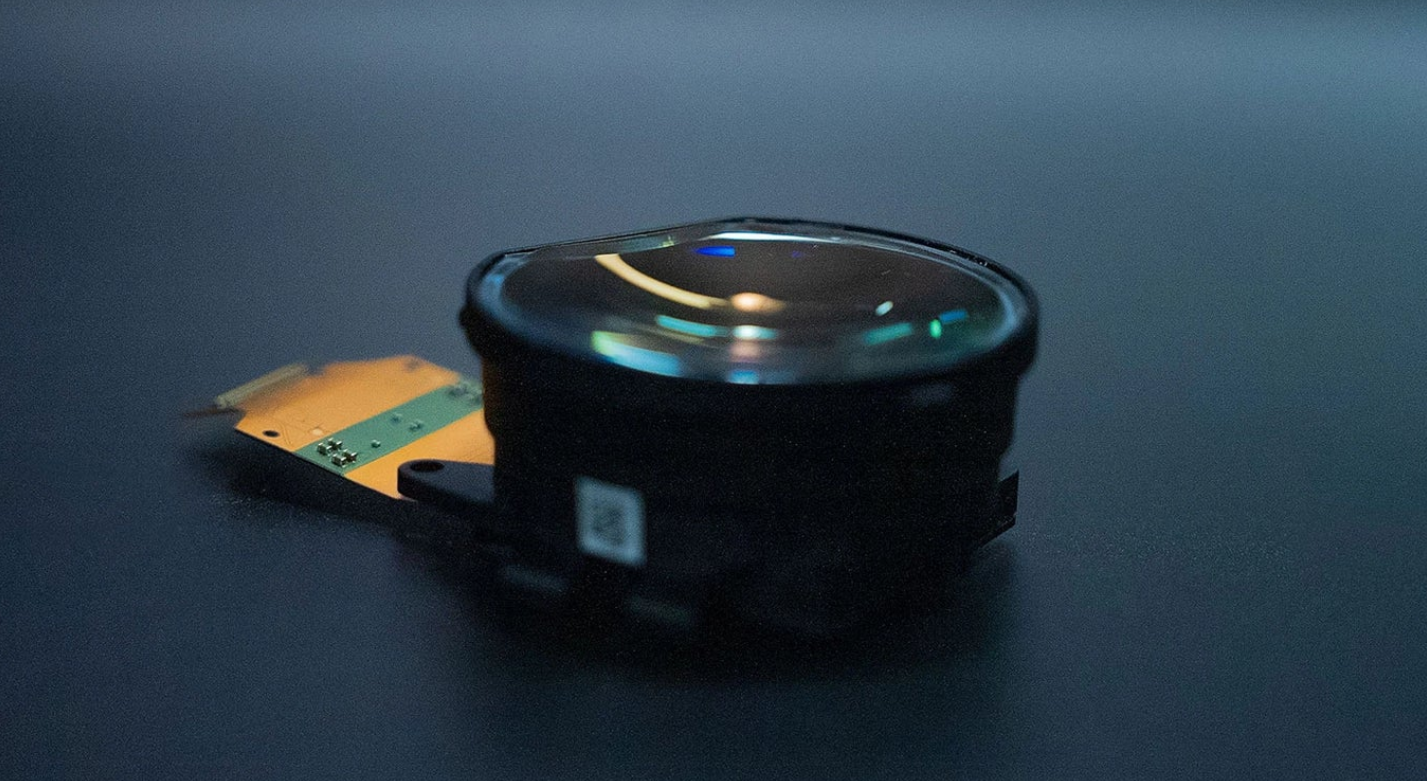

For serious PC VR enthusiasts and enterprise simulation buyers alike, OLED-on-Silicon (micro-OLED) has officially dethroned conventional LCDs as the gold standard for high-end near-eye displays.
By pairing self-emissive pixels with ultra-high pixel density (PPI) and sub-millisecond response times, micro-OLED panels deliver true inky blacks while virtually eliminating the screen-door effect. Whether you are cruising through pitch-black starfields in Elite Dangerous or creeping through shadowy tunnels in Half-Life: Alyx, shadow detail stays crisp—free from the washed-out gray backlight bleed that plagues legacy LCD headsets.
In today’s flagship PC VR market, the Pimax Crystal Super (8K Micro-OLED edition) and the Shiftall MeganeX 8K Mark II stand out as two leading dual-4K contenders. Both rely on uncompressed DisplayPort connections and sit in the same resolution tier, yet they represent two opposing engineering philosophies: Pimax builds an all-in-one powerhouse backed by eye-tracked rendering optimizations, while Shiftall strips away everything unnecessary in pursuit of an ultralight, hardware-first form factor.
Here is how the two stack up across optics, GPU demands, ergonomics, and tracking ecosystems.
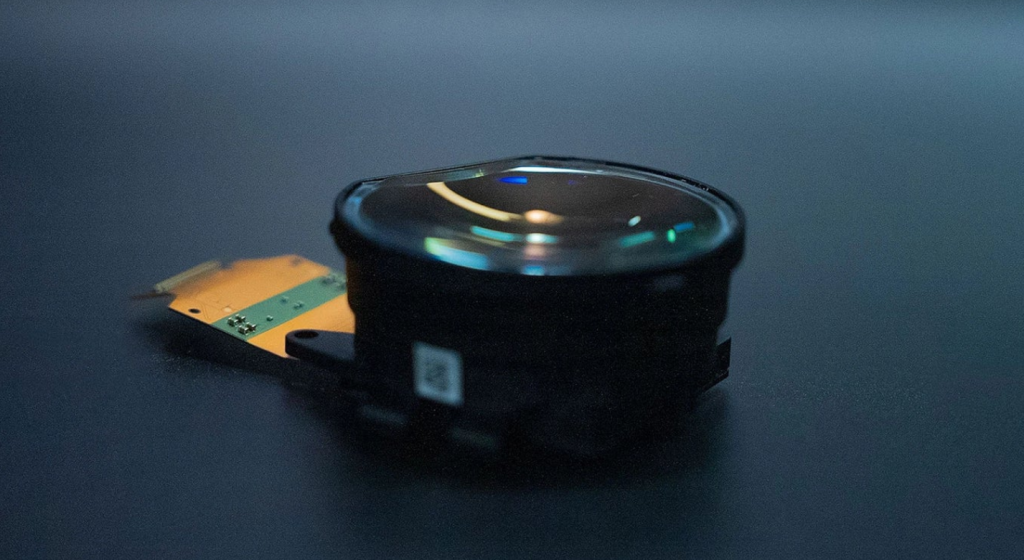
1. Pimax Crystal Super Micro-OLED vs. Shiftall MeganeX 8K Mark II: Field of View and Optical Clarity
The Pimax Crystal Super 8K Micro-OLED pairs Sony micro-OLED panels with Pimax’s three-element ConcaveView pancake optics. The design maintains strong edge-to-edge clarity while pushing the horizontal field of view (HFOV) to 116°. That wider canvas pays immediate dividends in fast-paced sims. During wheel-to-wheel overtakes in Assetto Corsa Competizione or iRacing, you can catch rival cars in your side mirrors using peripheral vision alone. The extra horizontal breathing room also shines during high-G dogfights in DCS World or deep-space exploration in Star Citizen.
The Shiftall MeganeX 8K Mark II matches that razor-sharp per-eye 4K clarity, making tiny cockpit readouts in Microsoft Flight Simulator 2024 and avionics stacks in X-Plane 12 effortless to read without leaning forward. Rather than chasing maximum FOV, Shiftall tuned its custom pancake lenses for generous binocular overlap. That yields rock-solid stereoscopic depth and less eye strain during slower, scenic titles like Kayak VR: Mirage or puzzle adventures like Red Matter 2. The trade-off is a noticeably narrower ~94° HFOV, giving you less peripheral awareness than the Pimax.
2. GPU Overhead and Dynamic Foveated Rendering (DFR)
Pushing nearly 27 million combined pixels is brutal on any graphics card, and this is where real-world system requirements diverge sharply:
- Pimax Crystal Super integrates 120Hz eye tracking with support for Dynamic Foveated Rendering (DFR) across OpenXR Toolkit and major titles like DCS World, Microsoft Flight Simulator 2024, and Pavlov VR. By rendering full native resolution only where your eyes are actively looking and scaling back peripheral detail, DFR allows upper-midrange GPUs like the RTX 4070 Ti or RTX 4080 to hold smooth, playable frame rates.
- MeganeX 8K Mark II omits eye tracking entirely to save weight and complexity. As a result, your GPU has to brute-force the full dual-4K framebuffer every single frame. Running Microsoft Flight Simulator 2024 on high settings, heavily modded Skyrim VR, or Cyberpunk 2077 via the Luke Ross VR mod at native resolution is nearly impossible without an RTX 4090 or RTX 5090. On anything less, you will need to dial down SteamVR render resolution, leaving panel sharpness on the table.
3. Long-Session Comfort and Myopia Support
Weighing just ~179g, the Shiftall MeganeX 8K Mark II wears more like a pair of ski goggles than a traditional VR headset. If you grind through multi-hour endurance stints in iRacing, fly transoceanic routes in flight sims, or spend late nights socializing in VRChat, the reduced strain on your neck and cheekbones is night-and-day. Its flip-up visor also lets you check a keyboard, chart, or drink mid-session without removing the head strap. Even better, built-in 0D to -7D diopter dials eliminate the need for custom magnetic prescription inserts—making it effortless to pass the headset around for quick rounds of Beat Saber.
The Pimax Crystal Super uses a full-enclosure chassis equipped with dual active cooling fans. That airflow keeps lens fog at bay during high-exertion workouts in Beat Saber or Thrill of the Fight, though you will definitely feel its bulk and inertia during rapid head movements. Nearsighted users will also need to budget for third-party prescription lens inserts.
4. Tracking Ecosystem and Room Setup
The Pimax Crystal Super features four onboard tracking cameras for base-station-free SLAM tracking right out of the box—ideal for desks, sim rigs, or living rooms where mounting wall sensors is impractical. If you later want occlusion-free precision for over-the-shoulder mag reloads in Half-Life: Alyx, an optional faceplate adds full SteamVR Lighthouse compatibility.
The MeganeX 8K Mark II is strictly a SteamVR Lighthouse headset. Base stations and controllers are sold separately, meaning you will need Valve or HTC Base Stations (1.0 or 2.0) alongside Valve Index controllers (commonly known as “Knuckles”) or compatible alternatives. For veterans who already run full-body tracking (FBT) in VRChat or play physics-driven shooters like Boneworks, it drops right into an existing ecosystem. For newcomers, it adds significant upfront hardware cost and setup effort.
Final Verdict: Which Headset Fits Your Rig?
Buy the Pimax Crystal Super 8K Micro-OLED if:
- You don’t own SteamVR base stations and want plug-and-play inside-out tracking.
- You run an RTX 4070 Ti or RTX 4080 and need 120Hz eye tracking + DFR to keep demanding sims like MSFS 2024 and DCS World running smoothly.
- You focus on sim racing or air combat (iRacing, Assetto Corsa Competizione) and value a wide 116° FOV plus built-in audio.
Buy the Shiftall MeganeX 8K Mark II if:
- You regularly log multi-hour sessions in VRChat, endurance racing, or long-haul flight sims and want an ultralight 179g headset with zero front-heavy fatigue.
- You already own SteamVR base stations and controllers, backed by an RTX 4090 or RTX 5090 capable of driving native dual-4K resolution.
- You are nearsighted (up to -7.00D) and appreciate built-in diopter adjustments alongside a convenient flip-up visor.