
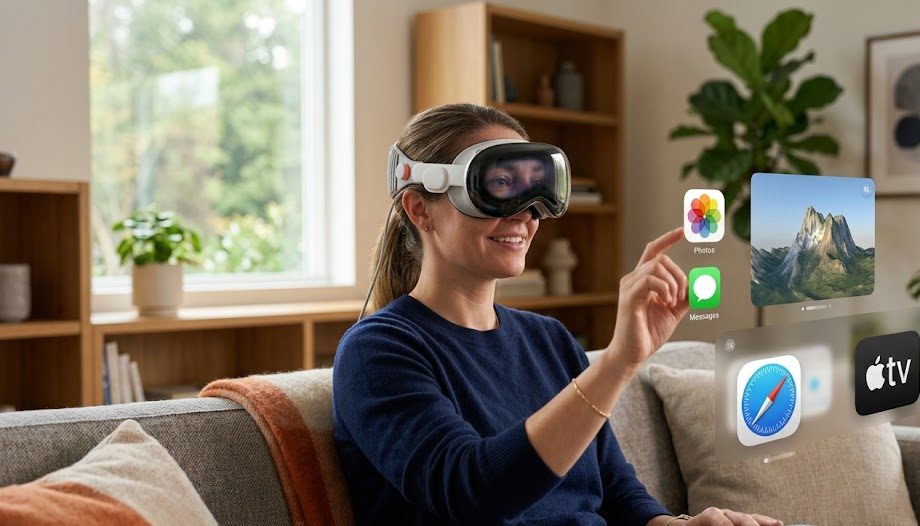

Different near-eye display terminals prioritize distinct specs for Micro-OLED panel dimensions and optical architectures. Monocular viewfinders prioritize compact footprint and signal interface compatibility; portable wearable cinema devices must strike a balance between field of view, diopter adjustment and cost; high-immersion headsets, by contrast, focus on sharpness, brightness headroom and thermal management.
How do you choose between 0.39 inch, 0.7 inch and 1.3 inch Micro-OLED panels? Selection should not rely on a single parameter alone. The core consideration is whether the panel size aligns with your chosen optical engine and overall product form factor. Driven by these performance tradeoffs, 0.39 inch, 0.7 inch and 1.3 inch microdisplay solutions have evolved into fairly well-defined implementation paths, each typically paired with a different optical pipeline during engineering development:
| Micro-OLED Panel Size | Common Optical Path & Positioning | Focus Areas |
|---|---|---|
| 0.39 inch Micro-OLED Displays | Ultra-compact form factor, monocular viewfinding, waveguide / miniature optical paths | Footprint, eye relief and driver interface compatibility |
| 0.7 inch (including common 0.68″–0.72″ variants) | Wearable large-screen viewing, Birdbath optics and balanced mid-FOV performance | FOV, diopter adjustment and cost tradeoffs |
| 1.3 inch Micro-OLED | High-immersion VR, Pancake folded optics and high-PPD flagship systems | Sharpness (high PPD), brightness headroom and thermal management |
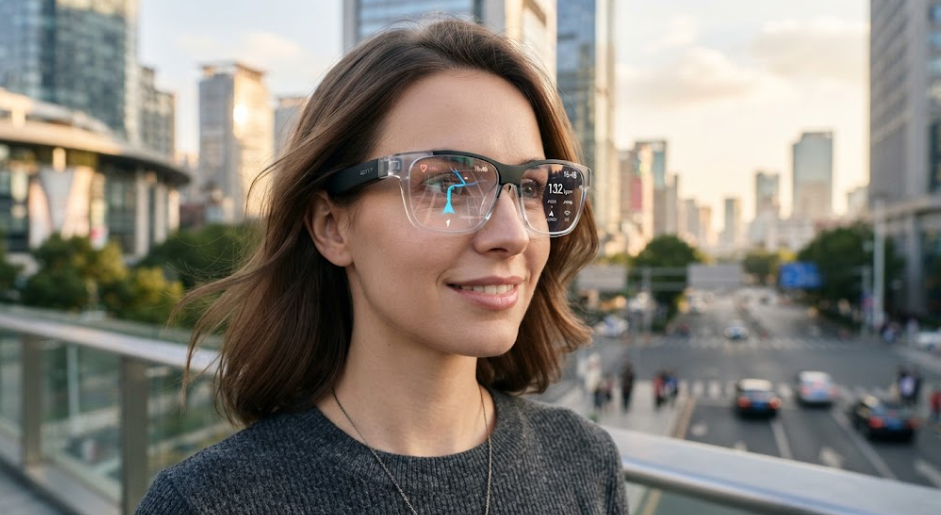
1. 0.39 Inch Micro-OLED Displays: Ultra-Compact Form, Monocular Viewfinding and Waveguide / Miniature Optical Paths
The small footprint of the 0.39 inch panel makes it ideal for integrating the optical engine inside slim eyeglass frames or monocular devices. Common resolution variants include 1024×768 and 1920×1080.
Typical use cases: monocular electronic viewfinders (EVFs), night vision / thermal imaging sights, industrial auxiliary displays, and selected waveguide or lightweight monocular near-eye modules.
Engineering Advantages and Tradeoffs
Advantages: The module is small and lightweight, making it easier to balance center of gravity on the temple or the complete unit, with relatively modest power draw.
Tradeoffs: The small panel requires higher magnification from the optics, which tends to shorten the comfortable eye relief. For users wearing prescription glasses, insufficient eye relief can cause the spectacle lens to collide with the eyepiece or clip the edges of the field of view. Forced expansion of FOV raises the difficulty of controlling peripheral distortion and optical aberration. Signal and power requirements vary across different 0.39 inch panels, including common interfaces such as MIPI, LVDS, RGB/YCbCr, along with associated power rails and initialization timing sequences. During selection, verify compatibility with your mainboard or driver bridge board to avoid costly board revisions later.
PSMV-DP-004:0.39″ XGA Full-Color Micro-OLED Module (1024×768)
| Parameter | Specification | Technical Details |
| Model Code | PSMV-DP-004 | Key Model / Samples Available |
| Display Platform | Silicon-based Micro-OLED (OLEDoS) | Active Matrix Single-Crystal CMOS |
| Diagonal Size | 0.39 inch | Standardized observation eyepiece format |
| Resolution | 1024 × 768 (XGA) | Ultra-high pixel density |
| Aspect Ratio | 4:3 | Optimized for direct-view optical scopes |
| Color Depth & Processing | Full Color (24-bit RGB888 / 16-bit YCbCr422) | High-fidelity color accuracy |
| Dynamic Brightness | 50 ~ 3000+ cd/m² | Wide dynamic range for day & night optics |
| Video Signal Interface | TTL RGB | Reliable digital video transmission |
| Target Optics Compatibility | Observation Lens Group (Lens Assemblies) | Direct-view eyepieces & optical combiners |
2. 0.7 Inch (Including Common 0.68″–0.72″ Variants) Micro-OLED Displays: Wearable Cinema, Birdbath Optics and Balanced Mid-Range FOV
Panels around 0.7 inches represent a classic form factor for consumer-grade wearable cinema glasses and mid-FOV near-eye devices (typical resolutions: 1920×1080 or 1920×1200). They are widely deployed with Birdbath reflective optical systems and selected mid-FOV near-eye modules. Within a moderate field of view, this configuration delivers the immersive sensation of a large portable screen. Many Birdbath optical assemblies readily accommodate diopter adjustment knobs or prescription lens structures, allowing nearsighted users to focus clearly without custom add-on inserts.
Representative end products: RayNeo Air 4 Pro, RayNeo Air 3 and other portable wearable cinema glasses.
Engineering Advantages and Tradeoffs
Advantages: The Birdbath architecture features mature optical design, controlled BOM cost, and straightforward diopter tuning, making it user-friendly for media consumption. At approximately 40°–50° FOV, the 0.7 inch panel avoids the premium pricing of flagship VR displays while escaping the cramped viewing experience of ultra-small panels, striking a strong balance between total cost and viewing quality.
Tradeoffs: The Birdbath design inherently suffers from beam splitter light loss and semi-transparent reflection limits. Front headset thickness and light blocking performance lag behind enclosed VR headsets. High-brightness operation drives elevated heat dissipation and power consumption, which requires careful thermal control.
PSMV-DP-012 | 0.71″ Full HD Micro-OLED Module (1920×1080)
| Parameter | Specification | Engineering Focus |
| Product Code | PSMV-DP-012 | Flagship Key Model / Samples Available |
| Display Technology | Micro-OLED Display (OLEDoS) | Single-Crystal Silicon CMOS Architecture |
| Active Size | 0.71 inch | Wide FOV near-eye display viewport |
| Native Resolution | 1920 × 1080 (Full HD) | High pixel density & crisp details |
| Aspect Ratio | 16:9 | Standard widescreen format |
| Color Spectrum | Full Color | Rich saturation & deep contrast |
| Luminance Range | 50 ~ 3000+ cd/m² | High brightness for optical combiners |
| Video Interface | MIPI DSI D-PHY + DSC | Compressed high-speed video stream |
| Optics Alignment | Pancake & Waveguide Engines | Wide FOV immersive optics validation |
3. 1.3 Inch Micro-OLED: High-Immersion VR, Pancake Folded Optics and High-PPD Flagship Systems
Larger 1.3-inch-class Micro-OLED displays panels target high-immersion VR headsets and professional head-mounted displays, most commonly paired with Pancake folded optical paths. Pancake systems fold the light path via polarization and multiple internal reflections, enabling a wide field of view within a short lens-to-panel distance for a more compact headset.
Representative end products: Bigscreen Beyond 2, Pimax Dream Air Lighthouse and other high-fidelity Micro-OLED headsets.
PSMV-DP-017 | 1.33″ 4K UHD Full-Color Micro-OLED Module (3840×2160)
PSMV-DP-015 | 1.31″ 2K Ultra-HD Project-Based OLEDoS Display
| Parameter | Specification | Notes / Details |
| Product Code | PSMV-DP-015 | Key Model / Project-Based Platform |
| Display Technology | Micro-OLED Display (OLEDoS) | Monolithic Silicon CMOS Architecture |
| Active Size | 1.31 inch | Large-format micro-display viewport |
| Native Resolution | 2048 × 2048 (2K × 2K) | Ultra-dense 4-megapixel layout |
| Aspect Ratio | 1:1 | Symmetrical square aspect ratio |
| Color Spectrum | Full Color | Deep black levels & vibrant saturation |
| Luminance Range | 50 ~ 3000+ cd/m² | Dynamically adjustable output |
| Video Interface | MIPI-C/D PHY | High-speed low-power PHY signaling |
| Input Format & Depth | RGB888 (24-bit / 16-bit) | Crisp color processing |
Engineering Advantages and Tradeoffs
Advantages: The design maintains high angular resolution (PPD) across a wide FOV, reducing screen door effect for distant visuals, text and fine details for deep immersion.
Tradeoffs: Light undergoes repeated folding and polarization filtering inside the Pancake stack, resulting in substantial brightness attenuation and low optical transmittance. This means the panel itself must deliver ample native brightness headroom. The design also imposes tighter requirements on lens alignment precision, ghosting suppression and overall thermal management. A larger panel raises BOM cost and increases bandwidth demands on the driver interface. If native brightness is insufficient, the image reaching the user’s eye will appear dim and washed out; high-brightness panel variants with sufficient luminance margin are mandatory.
Combined high brightness output and the enclosed form factor of head-mounted hardware trap heat around the panel and optical engine. Prolonged wear can degrade user comfort and compromise brightness stability as well as component lifespan. Thermal calculations for the optical engine, panel and mechanical enclosure should be performed concurrently from the early design phase, rather than retrofitted after the mechanical design is finalized.
From Panel Selection to Sample Validation: How to Mitigate Cross-Stage Risks
For near-eye display projects, the panel, driver bridge board, optical module and mechanical housing are often sourced or developed by separate teams. Prototyping frequently runs into a classic failure mode: the panel powers on successfully, yet the optical path, thermal design or electrical interfaces fail to integrate.
Pengsheng MicroVision Tech (https://www.micro-oledtech.com/) provides integrated support covering Micro-OLED displays, interface & driver enablement, near-eye optical matching, system integration and sample evaluation. Its use cases span thermal imaging, night vision, AR/VR, smart glasses, EVFs and professional observation equipment. If you are evaluating 0.39 inch, 0.7 inch or 1.3-inch-class solutions at the early stage and require interface compatibility testing, optical engine validation or sample prototyping, visit the Pengsheng MicroVision Tech website for product details and project support.
Core Takeaways
- 0.39 inch: Prioritizes compactness, interface compatibility and wearability.
- 0.7 inch + Birdbath: Optimized for media immersion, simple diopter adjustment and balanced economics. Select the 0.7-inch-class Birdbath solution when budget is constrained and diopter tuning / viewing experience is top priority.
- 1.3 inch + Pancake: Delivers high immersion and sharp PPD performance, but requires upfront budgeting for optical loss, luminance reserve and thermal design. Choose the 1.3-inch-class Pancake stack for premium immersion and high PPD if your program can accommodate higher optical attenuation and thermal engineering overhead.
Disclaimer
This article is compiled based on general near-eye display and optical system engineering knowledge and publicly available product references, for technical selection guidance only. It does not constitute a warranty for any specific hardware combination, optical scheme or commercial project. Real-world performance of end products, including FOV, eye relief, brightness output and thermal behavior, is subject to panel batch variation, lens and coating processes, driver and power circuit design, and mechanical packaging. Sample testing and engineering validation aligned with your project requirements are strongly recommended before mass production or formal procurement. Third-party brand names and models cited herein serve only to illustrate form factors and application scenarios, with no affiliation or endorsement from those manufacturers.
References
0.39 Inch Micro OLED Display RGB 1024×768 High Brightness
0.39″ Micro OLED Display 1920×1080 – MIPI, I2C – DisplayModule
0.39″ FHD Active Matrix OLED Module | PDF | Power Supply – Scribd
Birdbath Micro OLED Optical Engine – DisplayMan AR Birdbath Optics
1920*1080 50° FOV Optical Module – Tindie
Pancake Optical Engine – Micro OLED Displays – DisplayMan
1.03″ Micro OLED Pancake Lenses AR Optical Module – Tindie