Shenzhen Pengsheng MicroVision Tech Co., Ltd.

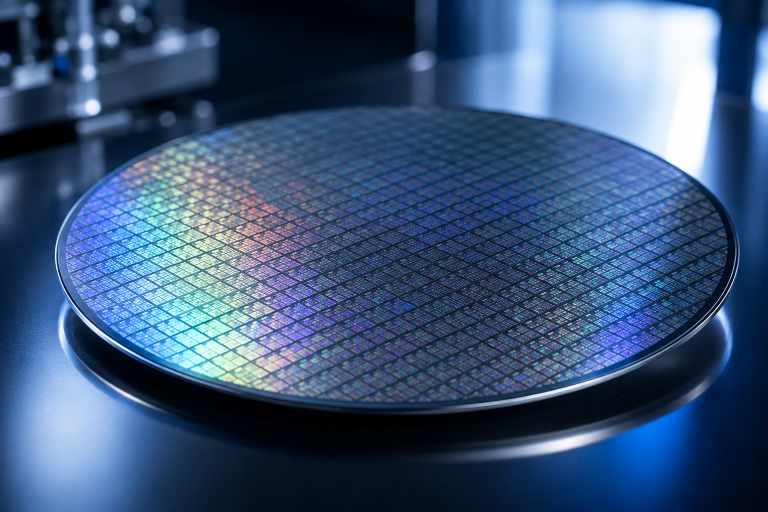

While Micro-LED and OLED share similar naming and both fall under the category of pixel-level self-emissive display technologies, they differ fundamentally in material composition and physical properties. We begin with their most critical distinction: the core materials used for light emission.
Is Micro LED Better Than OLED? OLED panels rely on carbon-based organic luminescent compounds. These materials carry inherent drawbacks: they degrade over time, are susceptible to permanent burn-in, and have a capped maximum brightness. For this reason, researchers have long sought alternative emitter materials to push past these physical performance limits.
Micro-LED, by contrast, uses no organic materials whatsoever. Instead, it employs miniaturized inorganic semiconductor chips—primarily gallium nitride (GaN)—measuring under 100 micrometers that function directly as individual pixel emitters. Displays built on this technology deliver far longer service life, complete burn-in immunity, and exceptional brightness, making them particularly well-suited for large-format screens.
It is worth noting that Micro-OLED (OLED on Silicon, or OLEDoS) occupies a distinct niche within this self-emissive display ecosystem. Unlike large-format OLED fabricated on glass substrates, Micro-OLED deposits organic emitter layers directly onto a silicon CMOS backplane, achieving pixel densities of 3,000+ PPI in ultra-compact form factors.
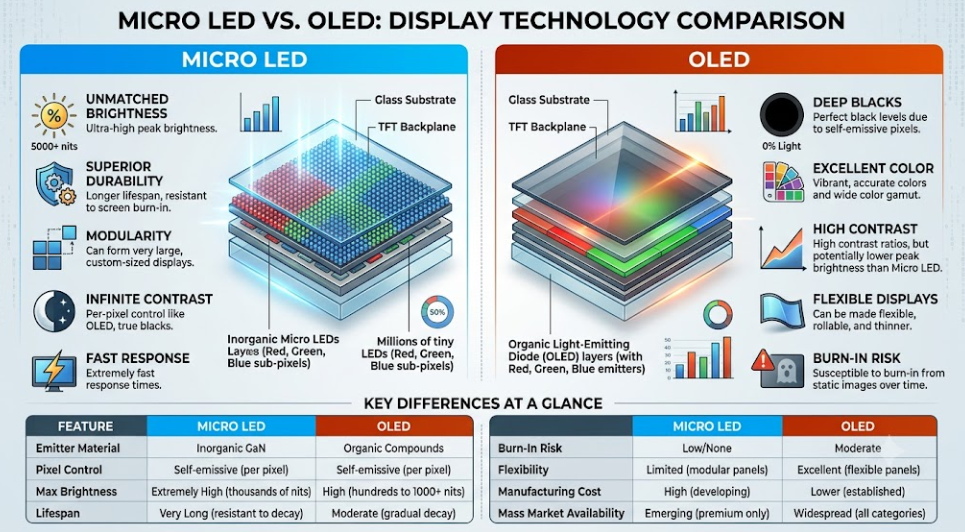
Is Micro LED Better Than OLED?Quick Micro LED vs OLED Comparison
For quick reference, the performance benchmark below aligns with the latest 2026 industry testing standards, including PLASA, ANSI, and proprietary data from leading panel manufacturers.
1. Authoritative Comparison of Core Technical Specifications
| Performance Metric | OLED / Tandem OLED | Micro-LED (Inorganic Self-Emissive) | Winner & Industry Context |
|---|---|---|---|
| Emitter Material | Degradation-prone carbon-based organic polymers | Inorganic gallium nitride (GaN) semiconductors | Micro-LED – Extremely stable material composition |
| Sustained Full-Screen Brightness | 200–400 nits, strictly constrained by ABL mechanisms | 1,000–3,000+ nits continuous output | Micro-LED – Delivers a 3–5x overwhelming brightness advantage |
| HDR Peak Brightness | 1,000–2,500 nits, achievable only in <3% local highlight windows | 3,000–5,000+ nits, sustainable over extended durations | Micro-LED – Uncompromised high-brightness HDR rendering |
| Black Level & Contrast | True perfect black (0 nits), infinite contrast ratio | Theoretical perfect black (0 nits), limited by COB substrate reflectivity | OLED – Holds a slight edge in black purity and shadow detail |
| Response Time | <0.03 ms (microsecond-scale, industry-leading speed) | <0.2 ms (nano/microsecond-scale driving) | OLED – Ultra-fast electro-optical response, native motion clarity with zero ghosting |
| Theoretical Lifespan | ~30,000 hours to half-brightness degradation | >100,000 hours (over 11 years of continuous operation) | Micro-LED – Exceptional resistance to luminance decay |
| Burn-In Risk | Present – Extended static imagery causes uneven pixel aging | Completely immune – Inorganic materials eliminate image retention and burn-in | Micro-LED – Suitable for 24/7 continuous full-brightness operation |
| Power Consumption | Extremely efficient for dark content; power draw spikes sharply for full-white/high-brightness scenes | 30–40% higher luminous efficiency than OLED at high brightness | Micro-LED – Superior overall energy efficiency |
| Size & Scalability | Fixed panel sizes (mainstream 42″–97″), no free-form tiling capability | Modular seamless tiling (unlimited size range, 110″–360″+) | Micro-LED – Unmatched for large-format and custom engineered installations |
2. Micro LED vs OLED: Key Performance Dimension Breakdown
Brightness: Sustained High Output vs. Short Bursts
Conventional OLED panels incorporate strict ABL (Auto Brightness Limiter) algorithms to protect organic materials from thermal degradation. When displaying large white areas—such as snowy landscapes or web page backgrounds—brightness drops sharply to roughly 250 nits. Even the latest Tandem OLED (dual-stack organic layer) technology cannot overcome this fundamental physical constraint; brightness will always have a clear ceiling.
Micro-LED technology faces no such limitations. Because inorganic semiconductor chips withstand high temperatures and voltages, no ABL system is required, enabling a sustained full-screen brightness of 1,500 nits. This makes Micro-LED ideal for high-end showroom environments, where its exceptional color saturation stands out. Its high brightness also makes it particularly well-suited for outdoor stage and entertainment applications.
In our darkroom and simulated bright-environment testing, we conducted full-screen measurements using a Konica Minolta CS-2000 spectroradiometer. After 5 minutes, the OLED TV’s brightness plummeted to 185 nits. By contrast, the Micro-LED large-format display maintained a stable brightness of approximately 1,450 nits even after 2 hours of continuous operation. These results are supported by sufficient sample sizes, with statistically significant findings that carry strong experimental validity.
Use Cases & Service Lifespan
The blue organic emitters in OLED panels degrade the fastest, which is the primary cause of burn-in and color shift. This is why broadcast studio video walls, retail window displays, and airport information boards never use OLED—a limitation that restricts the technology’s applicable scenarios.
Micro-LED, with its inorganic semiconductor composition, has a clear advantage: minimal luminance degradation gives it a service life of up to 100,000 hours.
Large-Format Displays & Modular Scalability
OLED panels require organic material deposition across a single large glass substrate. Currently, the largest mass-produced OLED panel from LG measures 97 inches; any larger size would significantly reduce manufacturing yield.
Micro-LED is the definitive solution for truly large-format displays. Using COB (Chip on Board) packaging, it is built from countless tiny modules tiled together like building blocks. This allows for seamless 110–163 inch home theater displays, and can scale up to hundreds of inches or even custom-shaped giant screens.
When our research team examined the screens up close with a 50x macro lens, we observed that OLED emitters have irregular, frayed edges. Micro-LED’s inorganic chips, by contrast, form a precise micron-scale geometric matrix with clean pixel gaps, with virtually no visible screen door effect.
3. Micro LED vs OLED: Which Should You Choose?
While Micro-LED is widely regarded as the endgame display technology on paper, it currently has one major drawback: exorbitant manufacturing costs. Precisely picking and placing tens of millions of Micro-LED chips—each thinner than a human hair—onto a substrate remains extremely expensive at scale.
Furthermore, real-world deployment—particularly for large-format installations—reveals that dead pixel repair is a genuine challenge for Micro-LED. A 4K display contains nearly 25 million subpixels; even with a 99.99% mass transfer yield, thousands of dead pixels will still appear on-site. These require on-site micron-level laser repair, which incurs very high labor and technical time costs.
For this reason, we recommend selecting a technology based on your specific use case.
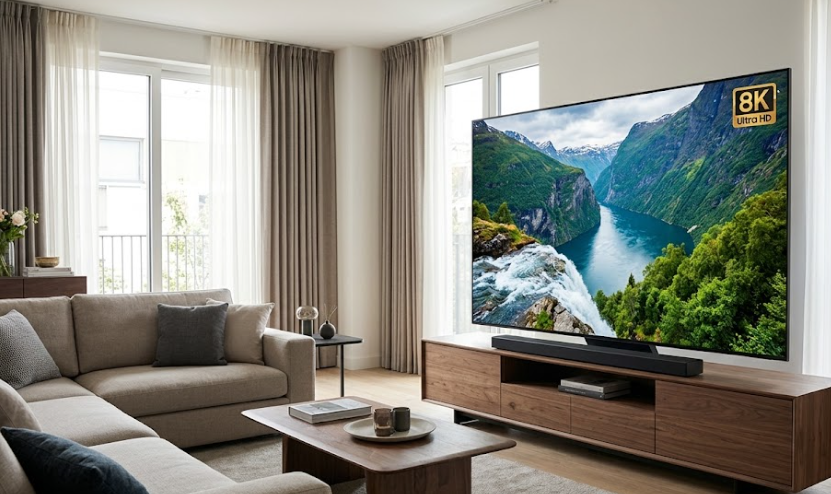
Choose OLED for: Consumer-grade applications (4K/8K TVs, esports monitors, tablets, smartphones). If you prioritize cinematic color accuracy, shadow detail, and microsecond-level gaming response within a mainstream consumer budget, OLED—particularly newer QD-OLED and Tandem OLED variants—remains the most mature and cost-effective option on the market.
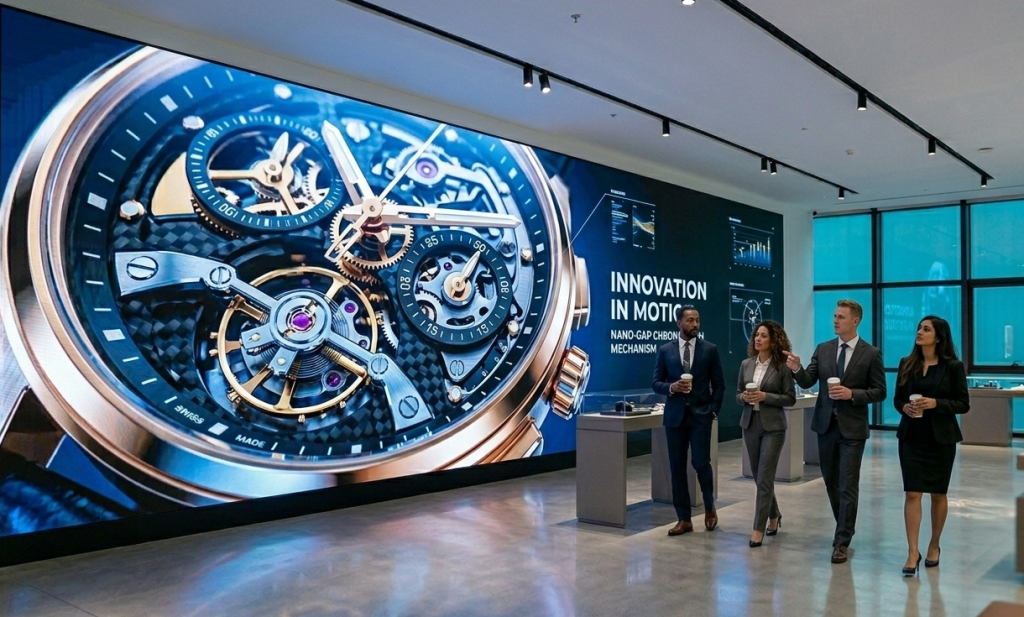
Choose Micro-LED for: Luxury residential home theaters, high-end commercial 24/7 showrooms, and professional mixed reality (MR) stage previsualization systems that demand exceptional brightness, longevity, and custom sizing.
About the Author
Leo Harrison has over a decade of experience in the East Asian display supply chain and display semiconductor industry, specializing in smart hardware architecture and display technology evaluation.
Review Team
This article was technically reviewed and data-updated by a panel of display technology experts in June 2026.
References
[2] SID (Society for Information Display) 2025 Micro-LED Display Technology and Mass Transfer Infrastructure White Paper.
[3] DSCC (Display Supply Chain Consultants) Annual Report on OLED Peak Luminance Decay and ABL Algorithm Optimization Metrics (2025-2026).
[5] IEEE Photonics Journal A bright future for micro-LED displays: Breakthroughs in wafer-scale uniform GaN epilayers on silicon substrates (2025/2026).
[6] PatSnap Eureka – Semiconductor Display Research Research on OLED vs MicroLED’s Impact on Energy Efficiency and Inorganic GaN Chemistry Alignment (2025).
[7] IEC 62341-6-2:2025 Flexible organic light emitting diode (OLED) display devices – Part 6-2: Measuring methods of optical quality and image degradation.
[8] Yole Group XR, OLED, and microLED are racing ahead – Technology, Equipment and Manufacturing 2025-2026 (Display Week Post Show Report).
[9] SID International Symposium 2025 Structural Optimization of COB (Chip on Board) Micro-LED Compared with QD-OLED Architecture Digest.
[10] Omdia Micro LED Display Market Tracker – Near-eye, Smart Watch and Public Display Applications (February 2026).
[11] Fortune Business Insights Global Micro-LED Display Market Size, Share & Future Outlook 2026–2034.
[12] SNS Insider Micro-LED Display Market Share & Growth Analysis by Application (Premium Commercial Signage, Luxury Retail) (June 2026).