Shenzhen Pengsheng MicroVision Tech Co., Ltd.
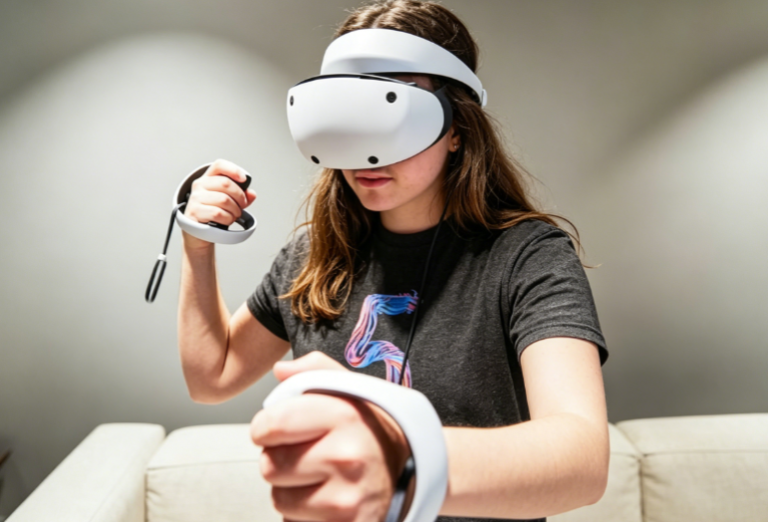

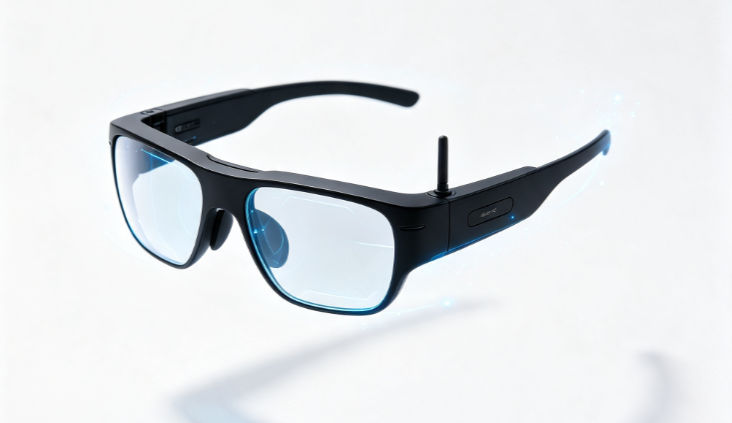
Since the debut of Apple Vision Pro and the release of ultra-bright AR-HUD systems on cutting-edge concept vehicles, microdisplay technology has become a focal point for spatial computing and smart cabin development. Within this technological shift, Micro LED and silicon-based Micro OLED (also known as OLEDoS) are widely recognized as the two most promising next-generation display solutions.
This article delivers a full head-to-head comparison of Micro LED vs Micro OLED, highlighting stark contrasts in raw materials, fabrication processes and real-world deployment scenarios.
1. Micro LED vs Micro OLED: Core Technical Principles
Micro LED (Micro Light-Emitting Diode)
Micro LED relies on inorganic semiconductor materials such as gallium nitride (GaN). Its production leverages mass transfer technology to pick and bond millions of sub-100-micron RGB LED chips onto a dedicated substrate.
Micro OLED (Silicon-Based OLED / OLEDoS)
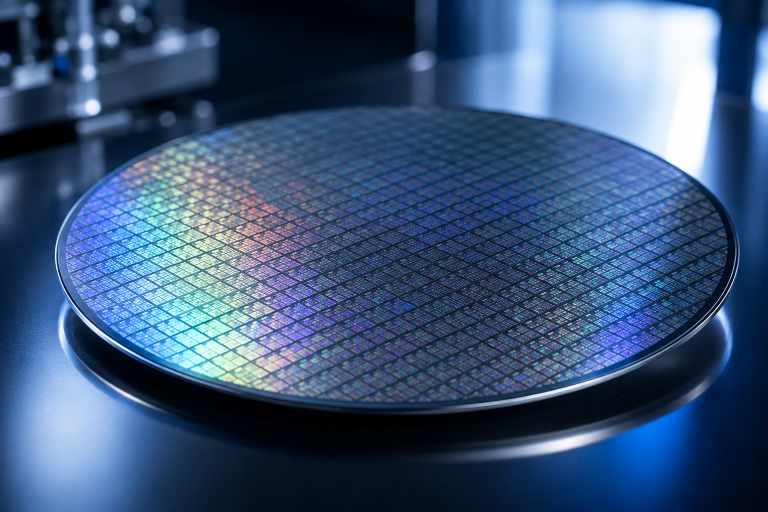
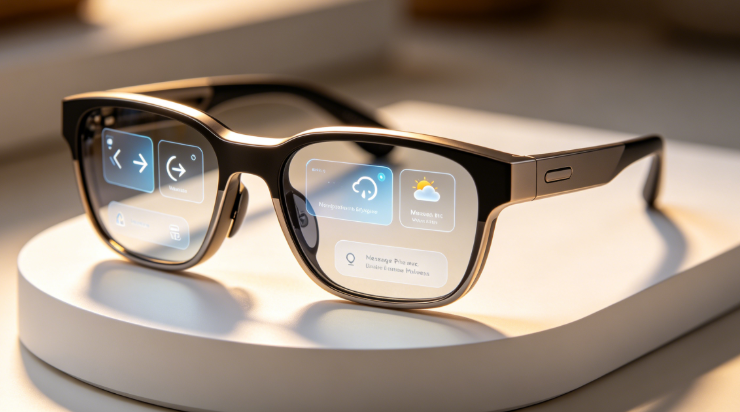
Micro OLED uses organic luminescent compounds. Unlike conventional displays built on glass substrates, it deposits organic emissive layers directly onto monocrystalline silicon wafers. This silicon architecture delivers chip-level precision for pixel circuit control.
2. Micro LED vs Micro OLED: Performance Comparison
Brightness & Outdoor Visibility: Micro LED Takes the Lead
Micro LED’s inorganic composition delivers exceptional heat resistance and luminous efficiency, supporting peak brightness levels of 5,000 nits up to tens of thousands of nits.
Micro OLED features organic materials susceptible to thermal degradation; sustained high luminance accelerates pixel aging. It is optimized for indoor spaces and enclosed near-eye hardware such as VR/XR headsets.
Clarity & Miniaturization: Micro OLED Prevails
Built on mature CMOS silicon wafer fabrication, Micro OLED fits native 4K resolution onto a panel roughly one inch wide, achieving ultra-high pixel density ranging from 3,000 to over 4,000 PPI.
While individual Micro LED chips are tiny, manufacturing ultra-high-density micro panels hits hard precision limits during bonding, resulting in low production yields and steep technical barriers.
Lifespan & Burn-In Susceptibility: Micro LED Outperforms
Micro LED exhibits near-zero risk of permanent burn-in or ghost images and boasts an extremely long operational lifespan.
As an organic emissive technology, Micro OLED cannot fully eliminate burn-in artifacts caused by static bright imagery left on pixels for extended periods.
Color Reproduction & Contrast: Comparable Overall Performance
Both technologies feature self-emissive pixels that power down completely when rendering black, enabling theoretically infinite native contrast. However, Micro OLED delivers softer, gentler visuals that prove more comfortable for close-range human viewing.
3. Side-by-Side Technical Parameter Table
| Feature | Micro LED | Micro OLED (Silicon-Based OLEDoS) |
|---|---|---|
| Emissive Material | Inorganic semiconductor (GaN) | Organic luminescent compounds |
| Core Substrate | TFT glass or drive circuit boards | Monocrystalline silicon semiconductor wafers |
| Peak Brightness | Extremely high (tens of thousands of nits) | Moderate, tuned exclusively for near-eye devices |
| Pixel Density (PPI) | Solid baseline, yet ultra-dense mass production remains unfeasible | Industry-leading density (3,500–4,000+ PPI) |
| Burn-In / Ghost Image Risk | None | Potential long-term burn-in risk |
| Supported Panel Sizes | Scalable for giant cinema screens down to micro panels | Restricted to ultra-small panels (typically under 1.5 inches) |
4. Micro LED vs Micro OLED: Primary Application Scenarios
Micro LED: High-Brightness Outdoor Displays, Large-Scale Screens & Automotive Hardware
Automotive AR-HUDs (Head-Up Displays): These systems must withstand extreme cabin heat and remain legible under direct midday sunlight.
Micro OLED: Enclosed Spaces, Ultra-High Clarity Near-Eye VR/XR Gear
Premium VR/XR headsets including Apple Vision Pro; camera electronic viewfinders (EVFs).
Frequently Asked Questions
Q1: What panel sizes can Micro LED vs Micro OLED support respectively?
A: Micro LED scales seamlessly from massive outdoor digital billboards down to miniature micro panels. Micro OLED’s manufacturing constraints limit production to ultra-small panels under 1.5 inches, built solely for near-eye wearable devices.
Q2: Between Micro LED vs Micro OLED, which suits immersive theater and live stage equipment?
A: Micro OLED is the preferred choice for stage XR eyewear, virtual rehearsal workflows and scenic design previsualization. Micro LED is deployed for outdoor stage LED walls, venue exterior lighting installations and high-brightness live broadcast screens.
Q3: What is the biggest difference in viewing experience between Micro LED vs Micro OLED?
A: Micro OLED delivers ultra-fine pixel detail, eliminates screen door effects, reduces eye strain and creates deeply immersive personal viewing. Micro LED offers superior peak brightness, sharp saturated color output and robust stability, ideal for long-distance viewing and outdoor stage displays.
Q4: What are the key technical bottlenecks for Micro LED vs Micro OLED?
A: Micro LED’s biggest hurdles are low mass transfer yields and exorbitant manufacturing costs for ultra-dense micro panels. Micro OLED is constrained by a hard brightness ceiling, natural degradation of organic materials, and limited long-term operational stability.
Q5: Between Micro LED vs Micro OLED, which renders more authentic color for theatrical scenic color grading?
A: Both deliver wide color gamuts yet serve distinct use cases. Micro OLED generates delicate, layered, soft color rendering ideal for directors and scenic designers conducting precise color grading and virtual pre-production. Micro LED delivers bold, highly saturated visuals with powerful visual impact, tailored for large outdoor stage screens.
Q6: Which of Micro LED vs Micro OLED offers better durability for long-running commercial live performance equipment?
A: Micro LED delivers far superior long-term durability. Micro OLED is best suited for short-duration indoor premium near-eye viewing hardware.
Q7: Which carries higher mass-production costs, Micro LED vs Micro OLED?
A: Ultra-dense Micro LED micro panels face extreme manufacturing complexity and carry steep production costs. Micro OLED leverages mature silicon wafer semiconductor processes for higher yields and more predictable cost control.
References:
[1] TrendForce Market Research: Analysis of Micro OLED, Micro LED, LCOS, and LBS Technologies in AR/VR Devices
[2] MicroLED-Info & OLED-Info: The MicroLED and OLED Microdisplays Market Report
[3] Yole Développement: MicroLED Displays – Manufacturing Technology and Market Trends (Whitepaper covering mass transfer processes plus TFT / CMOS backplane architectures)
[4] PatSnap Eureka Technology Insights: Analysis of OLED vs MicroLED Display Performance Metrics and Material Degradation (Comparative research on physical lifespan and color gamut properties of inorganic GaN and organic emissive compounds)
[5] Mordor Intelligence: OLED Microdisplay Market Size, Share & Competitive Landscape Report (Silicon-based OLEDoS Architecture)
[6] MarketsandMarkets: Global Microdisplay Market Size, Growth Analysis and Forecast (2025–2030)
[7] Society for Information Display (SID) Symposium Digest: Comparative study on luminous efficiency of InGaN Micro-LEDs and Organic Light-Emitting Diodes
[8] International Electron Devices Meeting (IEDM): Advanced CMOS Backplane Integration for OLEDoS and Micro-LED Displays
[9] Consumer Electronics Association (CEA) Technical Insights: The Evolution of Spatial Computing Hardware: From Waveguides to Microdisplays
[10] Automotive Display Engineering Association: Head-Up Display (HUD) Evolution: Luminance and Thermal Requirements under Sunlight Simulation
About the Author
Leo Harrison has over a decade of experience in the East Asian display supply chain and display semiconductor industry, specializing in smart hardware architecture and display technology evaluation.
Review Team
Review Team:
Special technical review and engineering validation provided by the Pengsheng Technology R&D Division.