Shenzhen Pengsheng MicroVision Tech Co., Ltd.

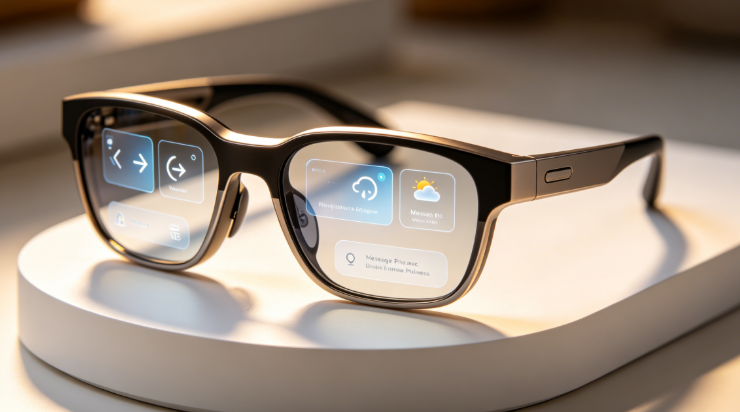

Since the launch of Apple Vision Pro, consumer electronics expos like CES have showcased standout devices including the VITURE Beast and ROG XREAL R1. The tech industry’s spotlight has steadily shifted toward lightweight AR smart glasses.
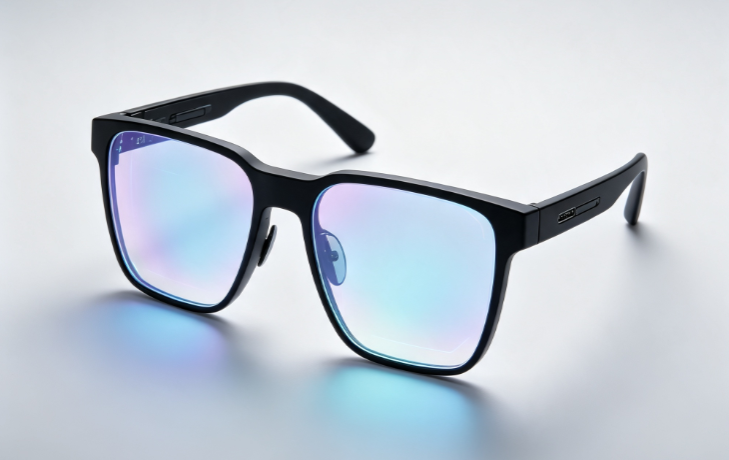
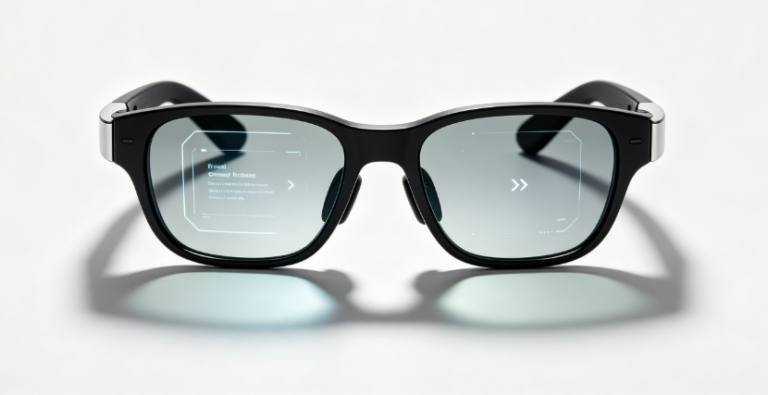
If you’ve been following tech gadgets lately, you’ve undoubtedly come across a breakthrough category: 4K Micro-OLED Glasses. But what exactly are they? Put simply, 4K Micro-OLED Glasses refer to AR/XR smart eyewear equipped with silicon-based OLED microdisplay chips that deliver native 4K resolution per eye.
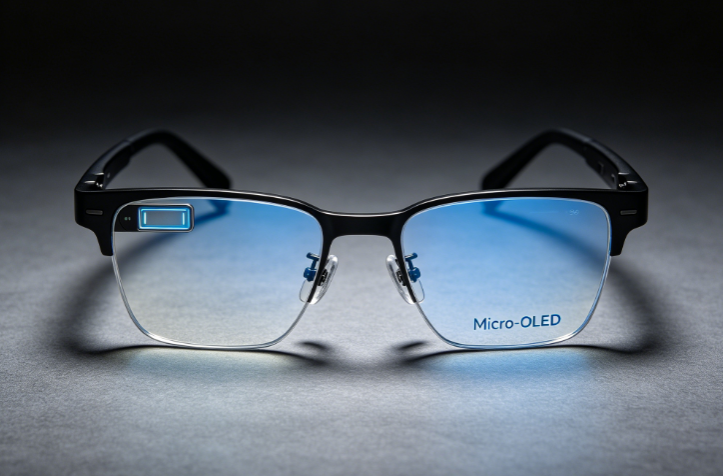
What Are 4K Micro-OLED Glasses?
1. Core Construction of 4K Micro-OLED Glasses
Traditional smart glasses mostly rely on 1080p Full HD panels, while 4K Micro-OLED Glasses mark a generational leap forward. They adopt silicon-based microdisplay chips that pack over 8 million organic light-emitting pixels onto a single silicon wafer no bigger than a fingernail.
Paired with these ultra-compact 4K chips, the glasses use ultra-thin optical lenses. This technology eliminates the bulky form factor of conventional VR headsets, resulting in an exceptionally lightweight frame that feels comparable to wearing regular sunglasses.
2. Groundbreaking User Experience
Once put on, the high-PPI microdisplays generate a virtual ultra-high-definition screen ranging from 150 inches to over 200 inches. Whether you’re lounging in bed or mid-flight, you get a private 4K cinema experience anywhere.
Additionally, older AR glasses suffer from visible pixel grain around text due to limited resolution. 4K-grade models eliminate this issue entirely, rendering text crisp and legible—suitable for office work and even coding.
They also inherit the self-emissive pixel trait of OLED panels, delivering ultra-high contrast and premium HDR color reproduction: deep, true blacks paired with rich, vibrant hues.
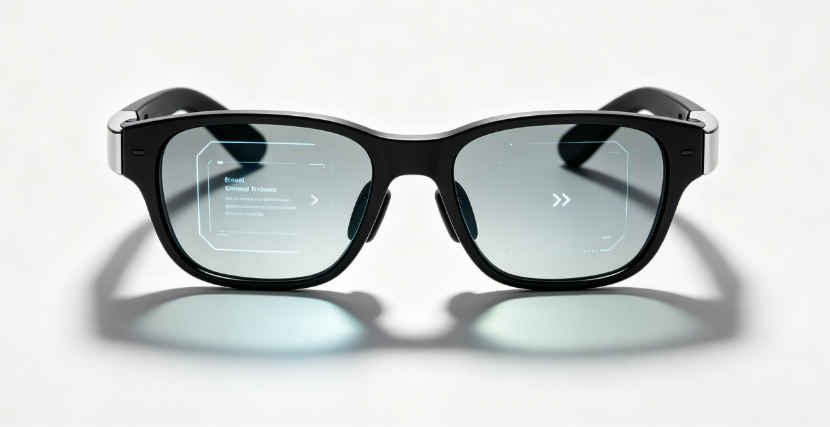
3. Flagship 4K Micro-OLED Glasses on the Market
Products in this segment fall into two primary categories:
Portable Split-Type AR Projection Glasses (Eyewear-First Form Factor)
Flagship offerings such as the VITURE Beast leverage high-resolution Sony Micro-OLED panels paired with proprietary algorithms to produce near-4K ultra-large virtual displays.
Ultra-Lightweight Premium VR/XR Headsets (Lens-First Form Factor)
The Shiftall MeganeX Superlight 8K (4K resolution per eye, 8K combined binocular resolution) falls under this bracket. Though classified as VR hardware, its silhouette resembles oversized regular glasses, fully resolving the comfort fatigue plaguing traditional bulky headsets.
FAQ About 4K Micro-OLED Glasses
Q1: What size TV screen does the visual effect match?
A: Mainstream 4K XR eyewear featuring Sony’s 4K microdisplay modules deliver a combined binocular resolution approaching native 4K. The built-in pancake lens array magnifies the image, creating the visual equivalent of a 130-inch theater screen viewed from 3 to 4 meters away.
Q2: Will these glasses trigger motion sickness like older VR headsets?
A: The risk of motion sickness is drastically reduced. Discomfort with early headsets stemmed from low resolution, high latency and low refresh rates. The latest 2026 lineup from ROG, VITURE and XREAL features response times as fast as 0.01ms and refresh rates up to 120Hz. Motion blur is completely eliminated, and pixel density is extremely high. Motion sickness is virtually avoidable with proper virtual focus adjustment.
Q3: Do nearsighted or astigmatic users need to wear prescription glasses underneath?
A: No separate eyewear is required. Most mainstream Micro-OLED glasses accommodate myopic users with physical adjustment dials built into the frame, supporting native diopter tuning from 0 to -6.00. For severe myopia or high astigmatism, manufacturers include magnetic lens adapters in the box, which you can take to an optician to fit custom prescription magnetic inserts.
Q4: Are the lenses transparent? Can I see the virtual screen clearly in bright daylight?
A: Flagship models all come standard with electrochromic dimming to improve visibility outdoors. A side-mounted button instantly darkens the lenses into physical light-blocking mode, preserving strong contrast and brightness for the virtual display even under direct sunlight.
Q5: Do the glasses run on a standalone operating system? How does the audio output work?
A: Directional audio speakers are embedded within the temples, delivering immersive surround sound with minimal sound leakage to nearby people for full audio privacy.
Note: Most models act as external displays rather than self-contained standalone systems and require pairing with a host device.
Q6: How do I choose between 4K Micro-OLED Glasses and spatial computing headsets like Apple Vision Pro?
A: 4K Micro-OLED Glasses function as premium portable wearable displays. Devices such as the Apple Vision Pro operate as fully independent spatial computing machines with built-in processing power.
References
- TrendForce. Global Micro LED & Mini LED Display Market Analysis & Technology Cost Roadmap
- DisplayMate Technologies. Advanced Display Performance Evaluation: OLED vs. LCD Dynamic Contrast Standards
- Society for Information Display (SID). Journal of the SID: Quantum Dot Efficiency and Local Dimming Halo Artifacts in HDR Displays
- Rtings Lab. Real-World Accelerated Longevity & Burn-In Test Database for Next-Generation TV Panels
- Shiftall Inc. 2025–2026 Technical Specifications: MeganeX 8K Mark II Hardware Architecture & Panasonic Pancake Lens Design
Official Shiftall whitepaper covering the 179g ultra-lightweight design, per-eye 4K pixel density and SteamVR tracking implementation - VITURE Academy 2026 Product Specifications: The Beast XR Glasses – Sony Micro-OLED Integration & 9-Stage Electrochromic Dimming Curve
VITURE official spec sheet detailing the Beast flagship’s 1,250-nit peak brightness, 58° field of view and Harman Kardon directional audio system - MRTV Hardware Reviews (2025). MeganeX Superlight 8K Deep Dive: The New Benchmark for Visual Clarity & Wearable Comfort
- IEEE Spectrum. Semiconductor Manufacturing Challenges: Silicon Wafer Microdisplay Fabrication
- Yole Développement. Micro LED & MicroOLED Displays: Technology Landscape & Global Market Trends